Vintage Blue Toile De Jouy Pattern: A Timeless Design
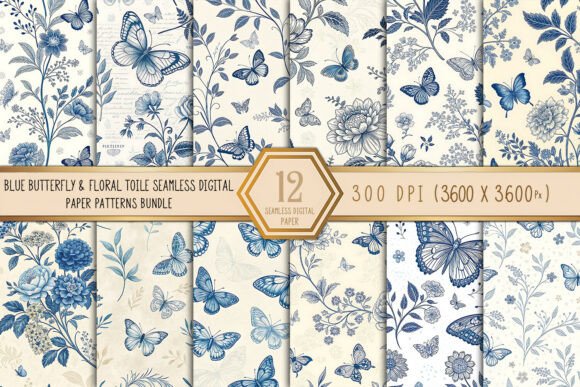
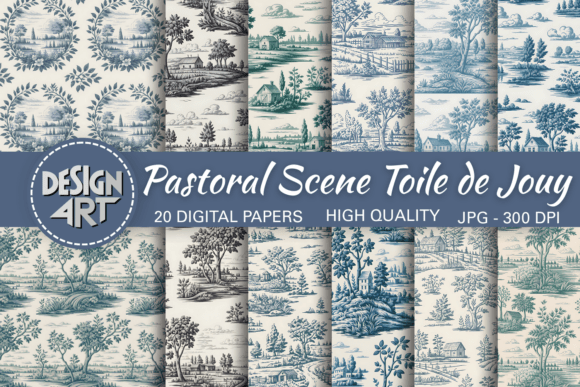
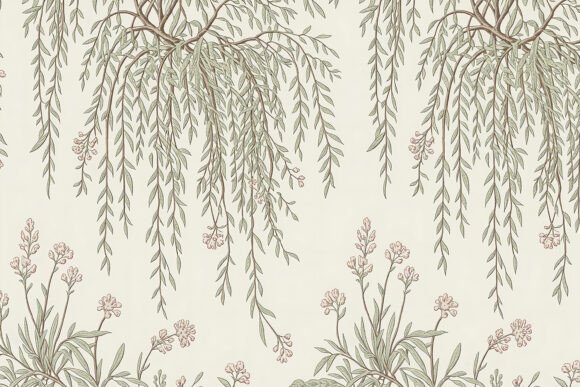
There is a specific kind of quiet confidence found in the Vintage Blue Toile De Jouy Pattern that modern, flat design often struggles to replicate. It doesn't shout for attention; instead, it invites the viewer to lean in and explore the intricate details woven into its fabric. This isn't just a background texture or a simple repeat; it is a narrative device. When you look at this hand-drawn artwork, measuring an impressive 5760x5760 pixels, you are looking at a digital asset that bridges the gap between 18th-century French elegance and contemporary creative needs. The rich indigo blue hues immediately ground the design, offering a sense of stability and tradition that resonates deeply with audiences tired of transient trends.
For designers, marketers, and brand strategists, understanding the personality of this pattern is crucial. It embodies the spirit of the pastoral scene—rustic yet refined, organic yet structured. Unlike a standard serif font or a clean sans serif font which communicates through letterforms, this pattern communicates through imagery. It tells a story of woodland sketches, antique florals, and country-style aesthetics. The seamless nature of the design means it can be tiled infinitely without breaking the visual flow, making it an incredibly versatile tool for everything from large-scale environmental graphics to delicate packaging details.
The Visual Language of Rustic Elegance
The appeal of the Vintage Blue Toile De Jouy Pattern lies in its complexity. Traditional toile de Jouy originated in France as a printing technique used on cotton, linen, or silk, typically depicting detailed scenes in a single color against a light background. This digital iteration captures that essence perfectly but elevates it with the precision of modern resolution. The "hand-drawn" quality mentioned in its description isn't just a buzzword; it refers to the slight irregularities and organic lines that give the artwork its soul. In a world dominated by vector perfection, these subtle imperfections create a human connection.
Visually, the pattern operates like a display font. Just as a bold headline grabs attention before the reader dives into the body copy, the high-contrast indigo against the lighter background creates an immediate focal point. However, unlike a loud script font that might feel out of place in a corporate setting, this botanical motif maintains a level of sophistication that allows it to cross various industry boundaries. It feels at home in a luxury boutique just as much as it does in a cozy coffee shop. The "rustic woodland sketch" elements provide texture without creating visual noise, ensuring that any text overlaid on top remains legible if spaced correctly.
When evaluating this asset for a project, consider its "personality." It is nostalgic but not dated. It references "yesteryears" without feeling like a costume. This balance is rare. Many vintage patterns lean too heavily into the past, becoming kitschy or difficult to integrate into a modern brand identity. This pattern, however, walks the line between retro patterns and contemporary minimalism. It offers the warmth of old-world decor while maintaining the clean lines required for modern web design and social media graphics.
Strategic Applications Across Creative Industries
The utility of a high-resolution Vintage Blue Toile De Jouy Pattern extends far beyond simple decoration. For entrepreneurs and small business owners, this type of design asset can be the cornerstone of a cohesive visual strategy. Because the file is 5760x5760 pixels, it is print-ready for large formats. Imagine using this as the lining for a premium product box, the backdrop for a restaurant menu, or the primary texture for a line of artisanal soaps. In packaging design, texture implies quality. A smooth, flat color can feel cheap; a nuanced, patterned background suggests care and craftsmanship.
In the realm of editorial design and publishing, this pattern serves as an excellent chapter divider or section header background. It breaks up the monotony of white space without distracting from the content. For bloggers and content creators, it provides a distinctive backdrop for Pinterest pins or Instagram stories, helping to establish a recognizable aesthetic that followers can instantly identify. When used as a nature wallpaper or digital paper, it transforms a generic device screen into a curated piece of art, reinforcing the user's personal style.
Furthermore, this pattern excels in interior design contexts, both physical and digital. For virtual staging or website backgrounds, the "pastoral scene embedded in a rustic garden" theme creates an atmosphere of calm and retreat. This is particularly valuable for brands in the wellness, travel, or home goods sectors. The psychological impact of the color blue—often associated with trust, calmness, and intelligence—combined with the organic shapes of the flora, creates a subliminal message of reliability and natural beauty. It acts as a silent ambassador for your brand values.
- Fabric and Textile Prints: The seamless repeat makes it ideal for actual fabric production, allowing designers to create custom upholstery, curtains, or fashion items that feel bespoke.
- Scrapbooking and Stationery: Crafters can use the high-resolution file to print custom papers for journals, invitations, and greeting cards, adding a touch of French country charm to personal projects.
- Web and UI Elements: While full-screen backgrounds can be heavy, cropping sections of this pattern for hero sections or footers adds depth to modern typography layouts.
- Branding Collateral: Use it on business cards, letterheads, or folder liners to elevate the tactile experience of holding a brand's physical materials.
Integrating Pattern with Typography and Brand Consistency
One of the most common challenges designers face is pairing complex patterns with text. The Vintage Blue Toile De Jouy Pattern is detailed, which means it requires thoughtful handling when used alongside creative fonts. To maintain readability and visual hierarchy, you must treat the pattern as a supporting character, not the lead actor. If you are overlaying text, consider using a solid color block with reduced opacity behind the text, or choose areas of the pattern with more negative space.
When selecting a typeface to accompany this pattern, think about contrast. Since the pattern is organic and illustrative, a geometric sans serif font can provide a modern counterpoint, keeping the overall look fresh and current. Alternatively, a classic serif font with high contrast strokes can amplify the traditional, elegant vibe, creating a harmonious "French country" aesthetic. Avoid pairing it with overly decorative handwritten fonts or chaotic script fonts, as the competition between the detailed pattern and the complex letterforms can result in visual clutter that confuses the audience.
Consistency is key to professional brand identity. If you adopt this pattern as part of your visual language, ensure it is used consistently across all touchpoints. Don't use it on your website and then switch to a different floral motif for your social media. The specific shade of indigo and the style of the botanical sketches should become synonymous with your brand. This repetition builds recognition. Over time, your audience will associate that specific blue and those rustic woodland sketches with your business, much like they would recognize a specific logo or color palette.
Before finalizing any commercial project, always review the licensing terms of the commercial font or design asset you are using. While this pattern is described as exceptional for various uses, ensuring you have the right license for mass production (like fabric printing) versus digital use (like web backgrounds) is a critical step for entrepreneurs. Professionalism isn't just about how good the design looks; it's about respecting intellectual property and ensuring your business is built on a solid legal foundation.
Ultimately, the Vintage Blue Toile De Jouy Pattern is more than just a pretty image. It is a tool for storytelling. Whether you are designing a wedding invitation, launching a new product line, or refreshing your home office space, this pattern offers a depth of character that few other assets can match. It invites you to slow down, appreciate the details, and embrace a style that has stood the test of time. By integrating this timeless artwork into your projects, you aren't just following a trend; you are tapping into a legacy of design that values beauty, intricacy, and the enduring charm of the natural world.