Rustic Wood Woven Digital Paper Guide
In the evolving landscape of visual communication, texture is often the unsung hero that transforms a flat layout into a tactile experience. Designers seeking to bridge the gap between digital precision and organic warmth frequently turn to resources like Rustic Wood Woven Digital Paper. This specific asset category offers more than just a background; it provides a foundational element that grounds modern aesthetics in natural authenticity, making it an invaluable tool for branding and creative projects.
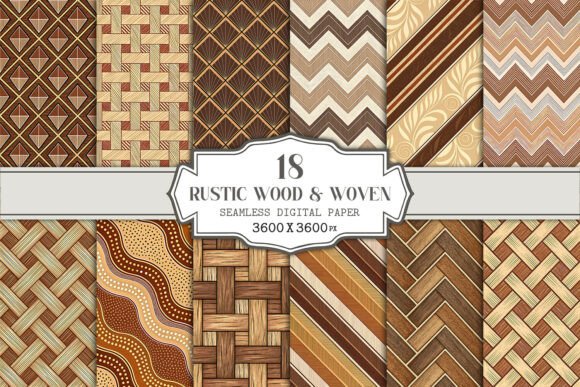
At its core, this type of digital paper mimics the intricate interplay of grain and weave found in aged timber and handcrafted textiles. When integrated into a design workflow, these textures add depth and visual hierarchy without overwhelming the primary message. The high-resolution nature of premium assets—often boasting 3600 x 3600 px at 300 DPI—ensures that every fiber and knot remains crisp, whether viewed on a retina display or printed on heavy cardstock. This level of detail is crucial for maintaining a professional presentation across various media.
Elevating Brand Identity with Organic Textures
For businesses aiming to project reliability, heritage, or eco-conscious values, incorporating rustic elements can significantly strengthen brand identity. A logo design set against a subtle wood woven backdrop instantly communicates stability and craftsmanship. This approach is particularly effective for industries such as artisanal food and beverage, outdoor gear, and boutique hospitality, where the story behind the product is as important as the product itself.
When selecting textures for branding, consistency is key. The color palette of the wood should complement existing brand colors rather than clash with them. A well-chosen rustic texture can serve as a neutral canvas that allows typography and iconography to stand out, enhancing readability while adding character. It creates an emotional connection with the audience, suggesting that the brand values quality and tradition.
Versatile Applications in Modern Design
The utility of high-quality digital paper extends far beyond simple backgrounds. Its seamless tiling capability makes it ideal for large-scale applications where continuity is essential. Here are several strategic ways to deploy these assets in your creative projects:
- Packaging Design: Use textured backgrounds to give product boxes and labels a premium, hand-finished look that stands out on retail shelves.
- Social Media Graphics: Enhance engagement by adding depth to Instagram posts and Pinterest pins, making them feel less generic and more curated.
- Editorial Layouts: Break up white space in magazines and brochures with subtle woven patterns to guide the reader's eye through the content.
- Web and UI Design: Apply low-opacity overlays to hero sections or footers to add warmth to digital interfaces without sacrificing load times or clarity.
- Print Materials: Create stunning greeting cards, invitations, and scrapbooking pages that benefit from the high-resolution print quality of 12" x 12" formats.
Best Practices for Integration
To maximize the impact of rustic wood woven textures, designers must consider how these elements interact with other components of the composition. Overusing texture can lead to visual noise, distracting from the core message. Instead, use these assets strategically to frame content or highlight specific areas of interest.
Typography plays a pivotal role when working with textured backgrounds. Sans-serif fonts with clean lines often pair well with complex wood grains, providing a modern contrast to the organic base. Conversely, serif fonts can enhance the traditional, vintage feel if that aligns with the design goals. Always test contrast ratios to ensure accessibility and legibility, especially for web design and UX applications.
Furthermore, understanding the technical specifications of your assets is vital. A pack containing 18 high-quality JPG files with seamless patterns offers unlimited creative possibilities. Whether you are designing a repeating pattern for fabric textile design or creating a one-off poster, the ability to tile the image flawlessly ensures a polished result. This flexibility supports a streamlined design workflow, allowing creators to iterate quickly without worrying about visible seams or resolution loss.
Ultimately, the choice of creative assets defines the tone of your visual narrative. By thoughtfully integrating high-resolution rustic textures, designers can elevate their work from standard to exceptional. These elements do more than fill space; they evoke feeling, establish context, and reinforce the quality of the brand. In a digital world that often feels sterile, bringing in the warmth of wood and weave reminds us of the human touch behind every great design.