Evaluating Watercolor Fruit Plaid Seamless Patterns for Creative Projects
For designers, crafters, and content creators, selecting the right digital asset can significantly impact the final quality of a project. Among the myriad of textures and backgrounds available, the watercolor fruit plaid seamless pattern has emerged as a distinctive choice that blends organic artistry with structured geometry. This specific style combines the soft, fluid characteristics of hand-painted watercolors with the orderly, repeating lines of plaid, often incorporating whimsical fruit motifs to add color and personality. Understanding what makes this format unique, how it compares to other design resources, and where it fits best in your workflow is essential for making an informed decision.
Defining the Aesthetic and Technical Structure
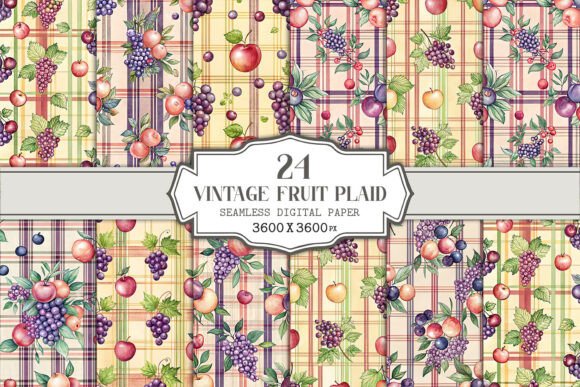
A watercolor fruit plaid seamless pattern is not merely a background image; it is a carefully constructed tile designed to repeat infinitely without visible seams. The "watercolor" aspect refers to the simulation of traditional paint techniques, where colors bleed slightly into one another, offering soft edges and varying opacity that mimic real paper and pigment. The "plaid" component introduces a grid-like structure, typically formed by intersecting bands of color, which provides a sense of order and classic style. When fruit elements—such as lemons, strawberries, or cherries—are integrated, they break up the rigidity of the grid, creating a playful yet sophisticated visual rhythm.
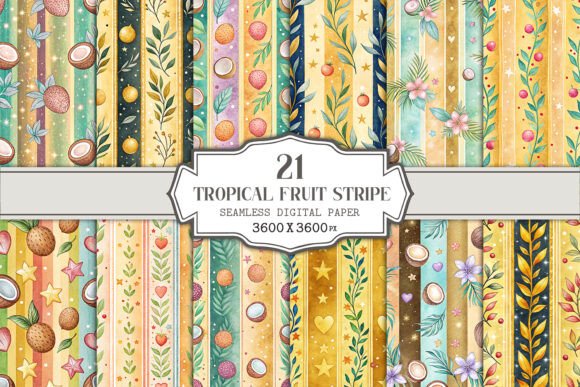
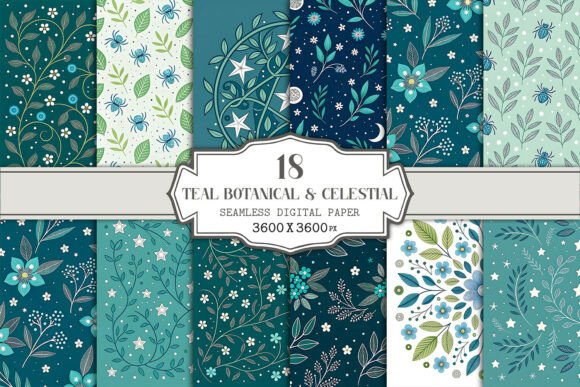
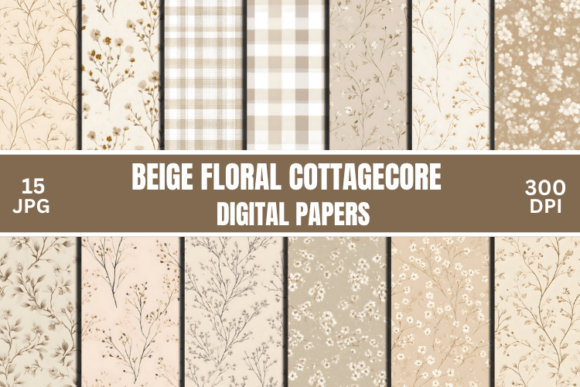
From a technical standpoint, the utility of these patterns relies heavily on resolution and file format. High-quality bundles often provide files at 3600 x 3600 pixels with a resolution of 300 DPI. This specification is critical because it ensures the pattern remains crisp whether it is used for a small digital sticker or expanded to cover a large fabric print. Lower resolution files may appear pixelated when scaled up, ruining the delicate watercolor effect. Furthermore, the "seamless" nature means the left edge matches the right, and the top matches the bottom, allowing for unlimited repetition in software like Photoshop, Illustrator, or various crafting applications.
Comparing Watercolor Plaid to Alternative Design Styles
When evaluating design resources, it is helpful to compare watercolor fruit plaid against other common categories to understand its specific advantages and limitations.
- Vector vs. Raster Formats: Many modern designs are created as vectors (SVG, EPS), which allow for infinite scaling without quality loss. However, watercolor textures are inherently raster-based (JPG, PNG) because the complex blending of pigments and paper grain is difficult to replicate perfectly with vector paths. While vectors offer flexibility, a high-resolution 300 DPI JPG watercolor pattern often provides a more authentic, organic look that vectors struggle to match. If your priority is realistic texture over infinite scalability, the raster watercolor approach is superior.
- Solid Geometrics vs. Organic Blends: Traditional digital plaids often feature sharp, solid lines and flat colors. These are excellent for corporate branding or modern web design but can feel cold or sterile for personal projects. The watercolor variation softens these lines, making the pattern feel warmer and more inviting. This makes it particularly suitable for lifestyle brands, greeting cards, and home decor where a "handmade" feel is desired.
- Random Scatter Patterns vs. Structured Grids: Some fruit patterns consist of randomly scattered fruits on a plain background. While cheerful, these can lack the structural cohesion needed for certain applications like book covers or fabric bolts. The plaid element in a watercolor fruit plaid pattern provides a underlying framework that organizes the visual noise, making it easier to overlay text or cut into specific shapes without the design feeling chaotic.
Practical Applications and Best-Fit Scenarios
The versatility of a watercolor fruit plaid seamless pattern lies in its ability to bridge the gap between digital and physical media. Because these assets are typically delivered as high-resolution JPGs, they are immediately compatible with a wide range of tools without requiring specialized vector software.
Physical Printing and Craft Projects
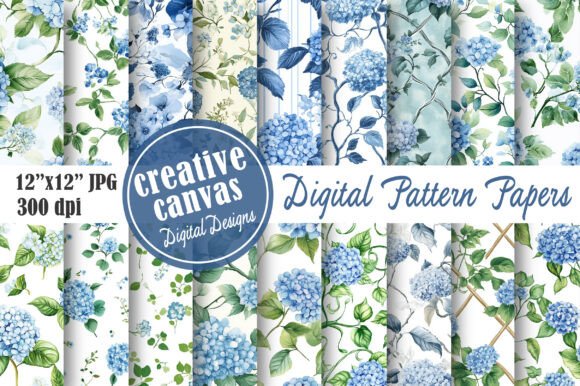
For those involved in scrapbooking, journaling, or creating physical invitations, the 12" x 12" (3600 x 3600 px) standard is ideal. This size aligns perfectly with standard scrapbook paper dimensions, allowing users to print the pattern at home or through professional services without resizing artifacts. The 300 DPI resolution ensures that the subtle gradients of the watercolor and the fine lines of the plaid remain sharp upon printing. This makes the pattern an excellent choice for:
- Greeting Cards and Invitations: The friendly fruit motifs combined with the classic plaid create a welcoming aesthetic suitable for birthdays, baby showers, or summer events.
- Stickers and Planners: When printed on adhesive paper, these patterns serve as vibrant backgrounds for functional planner stickers or decorative journal elements.
- Fabric and Textile Design: While professional textile printing often requires specific file preparations, high-res seamless patterns are frequently used for print-on-demand services to create custom fabrics for quilting, apparel, or home decor items like pillowcases and aprons.
Digital Media and Content Creation
In the digital realm, these patterns function effectively as backgrounds for social media graphics, website headers, or digital papers for e-journals. The seamless nature allows designers to fill any canvas size, from a smartphone story to a desktop wallpaper, by simply tiling the image. However, users should be mindful of file size; a 300 DPI image is large and may need compression for web use to ensure fast loading times, though the original high-quality file should always be retained for master copies.
Limitations and Decision Factors
While watercolor fruit plaid patterns offer significant aesthetic benefits, they are not the solution for every project. Understanding their limitations is key to avoiding frustration.
Scalability Constraints: Unlike vector graphics, raster images have a fixed maximum size. If you attempt to print a 12x12 inch file on a billboard or a massive wall mural, the image will become pixelated. For projects requiring extreme enlargement, a vector alternative or a specifically sourced ultra-high-resolution file would be necessary.
Color Customization: JPG files are flattened images, meaning the individual elements (the fruit, the plaid lines, the background) cannot be easily separated or recolored without advanced photo editing skills. If your project requires strict brand color matching or the ability to swap out the fruit types dynamically, a layered PSD file or a vector kit might be a more appropriate investment.
Licensing and Usage: It is crucial to verify the license terms associated with any digital download. While many bundles allow for both personal and commercial use, some may restrict the number of physical items sold or prohibit use in certain contexts like logo design. Always review the included documentation to ensure compliance.
Making the Right Choice for Your Workflow
Deciding whether to incorporate a watercolor fruit plaid seamless pattern into your library depends on your specific needs. If you prioritize an authentic, hand-painted look and require assets ready for immediate use in printing or digital composition, this format is highly effective. The combination of high resolution (300 DPI) and seamless tiling offers a professional foundation for diverse projects ranging from fabric design to social media content.
However, if your workflow demands infinite scalability, frequent color adjustments, or animation capabilities, you may find that vector-based alternatives or animated texture packs serve you better. Ultimately, the value of these patterns lies in their ability to deliver a complex, textured aesthetic in a user-friendly, ready-to-print format. By weighing the trade-offs between raster authenticity and vector flexibility, creators can select the resources that best align with their project goals and technical requirements.
Remember that these products are digital downloads; no physical items are shipped. Ensuring you have the appropriate software to handle high-resolution JPGs and a reliable printing method (or access to a print service) will allow you to fully leverage the quality of a 3600 x 3600 px design bundle.