Elevating Brand Identity and Seasonal Campaigns with Plaid Irish Style Digital Paper
In the rapidly evolving landscape of digital design, the intersection of heritage aesthetics and modern utility has become a focal point for creative professionals. As brands and creators seek to differentiate themselves in saturated markets, there is a growing demand for assets that convey authenticity while maintaining technical versatility. This shift has brought Plaid Irish Style Digital Paper into the spotlight, not merely as a seasonal novelty for St. Patrick's Day, but as a sophisticated resource for year-round branding, packaging, and digital storytelling. The resurgence of tartan and woven textures reflects a broader consumer preference for designs that feel grounded, traditional, yet refined.
The Convergence of Tradition and Digital Utility
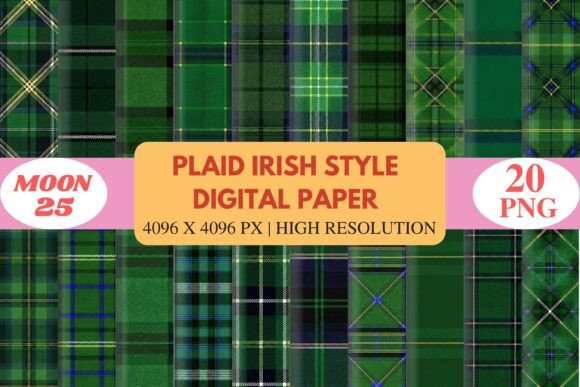
The concept of Plaid Irish Style Digital Paper extends far beyond simple background images. It represents a digitization of cultural textile history, translating the intricate weaves of traditional Irish tartans into high-resolution assets suitable for contemporary workflows. This collection typically features rich green plaid patterns inspired by historic designs, incorporating deep emerald tones accented with subtle hints of blue, gold, and dark hues. These color palettes are chosen deliberately to evoke a sense of refinement and festivity without sacrificing professional elegance.
For designers, the value lies in the seamless nature of these files. Unlike low-resolution scans or repetitive tiles that break visual continuity, premium digital paper packs offer 4096 x 4096 px high-resolution PNGs. This specification is critical for modern production standards, ensuring that whether the output is a massive trade show banner, a luxury product box, or a retina-display website background, the texture remains sharp and clear. The ability to scale these patterns without pixelation allows entrepreneurs and marketers to maintain brand consistency across vastly different media formats.
Responding to the Demand for Authentic Aesthetics
Why is there such significant attention on these specific patterns now? The answer lies in a shifting consumer psyche. In an era dominated by flat design and minimalist interfaces, there is a counter-movement toward "maximalist" textures and patterns that suggest depth, history, and tactile quality. Consumers are increasingly drawn to brands that appear established and trustworthy. Incorporating Plaid Irish Style Digital Paper into a visual identity taps into the psychological associations of heritage, stability, and craftsmanship.
This trend is evident across various sectors. In the hospitality industry, pubs and restaurants are revitalizing their menus and social media graphics with classic Irish motifs to enhance the customer experience. Similarly, in the retail sector, boutique brands are utilizing these woven textures for packaging to create an unboxing experience that feels premium and thoughtful. The pattern is no longer just about the holiday; it is about invoking a timeless atmosphere that resonates with audiences seeking connection to tradition.
Practical Applications Across Creative Workflows
The versatility of this digital asset pack makes it an essential tool for a wide range of professionals, from freelance graphic designers to in-house marketing teams. The applications are limited only by the creator's imagination, but several key use cases highlight its practical value:
- Branding and Packaging: Use the deep green tones and gold accents to create distinctive labels for craft beverages, artisanal foods, or luxury goods. The plaid pattern adds a layer of sophistication that solid colors cannot achieve.
- Digital Marketing Assets: Social media managers can utilize these seamless backgrounds for Instagram stories, Facebook covers, and LinkedIn banners. The high resolution ensures clarity on all devices, while the festive yet professional look engages audiences during cultural celebrations.
- Print Media and Invitations: For event planners and stationers, these patterns are ideal for wedding invitations, corporate gala programs, and greeting cards. The variety of checks and stripes allows for customization that matches specific theme requirements.
- Web and UI Design: Web developers can implement these textures as subtle background elements to add depth to landing pages without overwhelming the foreground content. The seamless repetition ensures smooth scrolling experiences.
- Scrapbooking and Personal Projects: Hobbyists and memory keepers appreciate the ability to print these designs at home for high-quality scrapbook pages, journal covers, and gift wrapping.
Adapting to Changing Workflow Expectations
The modern creative workflow demands efficiency without compromising quality. Freelancers and agencies often operate under tight deadlines, requiring assets that are "ready-to-use" straight out of the download. A comprehensive pack of Plaid Irish Style Digital Paper addresses this need by providing a curated library of twenty unique designs. This eliminates the time-consuming process of sourcing individual textures, verifying their licensing, or attempting to create complex vector patterns from scratch.
Furthermore, the file format matters. The use of PNG ensures transparency support if needed, although these patterns are often used as full-bleed backgrounds. The high bit-depth and resolution mean that designers do not need to worry about re-rendering or upscaling, which can degrade image quality. This reliability is crucial for professionals who need to deliver consistent results to clients who expect print-ready files alongside digital deliverables.
The Broader Market Context
From a market perspective, the popularity of themed digital papers aligns with the rise of the "creator economy." As more individuals launch small businesses, Etsy shops, and personal brands, the need for affordable yet high-quality design resources has skyrocketed. Plaid Irish Style Digital Paper serves as a cost-effective solution for these entrepreneurs to achieve a polished look that rivals large corporations. It democratizes access to premium aesthetic tools, allowing small players to compete visually in the marketplace.
Additionally, the global appreciation for cultural heritage continues to grow. Designs that celebrate specific traditions, such as Irish textile history, find resonance not just within the diaspora but among global audiences who value diversity and storytelling in design. By integrating these patterns, creators are participating in a larger conversation about preserving cultural identity through modern mediums.
Future-Proofing Your Design Library
Investing in a versatile collection like this is a strategic move for any creative professional. While the immediate application may be for St. Patrick's Day campaigns, the underlying aesthetic of green plaid and tartan is perennial. Green is a dominant color in branding for sectors ranging from finance to wellness, symbolizing growth, harmony, and nature. Therefore, these assets remain relevant long after the March festivities have concluded.
Moreover, the technical specifications of these files ensure longevity. As display technologies advance and print standards become more rigorous, having a library of 4K resolution assets ensures that your work remains viable for years to come. You are not just buying a pattern for today; you are acquiring a foundational element for future projects that require a touch of classic elegance.
In conclusion, the integration of Plaid Irish Style Digital Paper into your design toolkit offers more than just a festive flair. It provides a bridge between historical richness and modern functionality. Whether you are crafting a brand identity, designing a marketing campaign, or creating personal art, these patterns offer the depth, resolution, and stylistic nuance required to stand out in a competitive digital environment. By leveraging these resources, creators can produce work that is not only visually stunning but also culturally resonant and technically superior.
For those looking to explore this blend of tradition and technology further, consider how these textures can be layered with typography and photography to create composite images that tell a compelling story. The potential for innovation is vast when the foundation is built on high-quality, thoughtfully designed assets.